Updated · By Whitewater Columbus, an independent guide
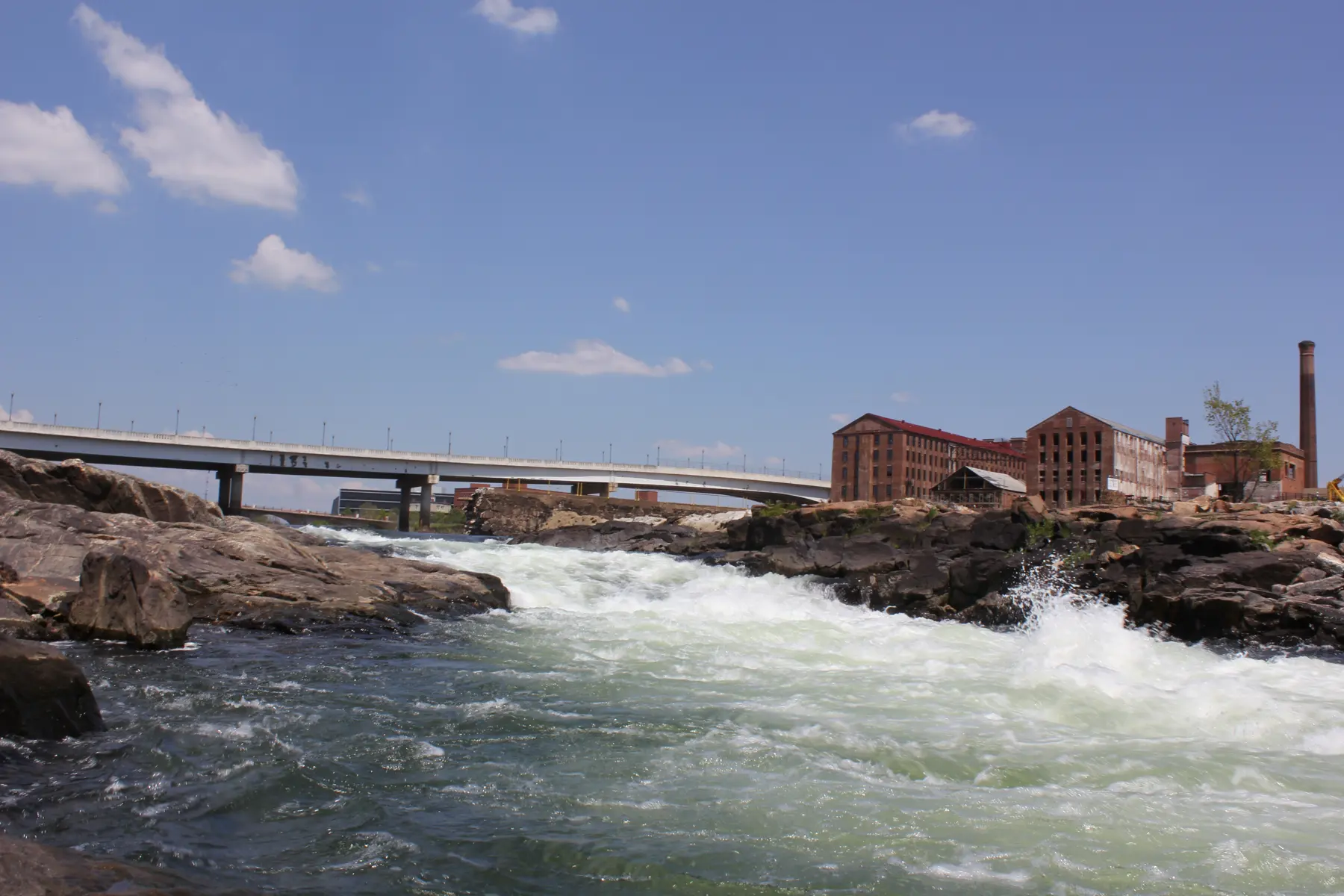
You can raft the Chattahoochee in Columbus, GA any time of year; the outfitter closes only on Thanksgiving and Christmas. Summer is warmest and busiest, spring and fall offer the best mix of comfortable weather and availability, and winter is quiet, with wetsuits provided free. Rapid size depends more on Georgia Power's dam releases than on the season.
Columbus is one of the few places in the U.S. where you can raft whitewater every month of the year.
| Season | Weather | Crowds | Good to know |
|---|---|---|---|
| Spring (Mar-May) | Mild | Moderate | Rain can raise natural flows and add punch. |
| Summer (Jun-Aug) | Hot | Highest | Book weekends and holidays early. Mornings beat the heat. |
| Fall (Sep-Nov) | Comfortable | Moderate | The sweet spot. Watch for college football weekends filling hotels. |
| Winter (Dec-Feb) | Cool, mild for the U.S. | Lowest | Free wetsuits and splash jackets. Quiet river. |
Spring (March to May)
Mild temperatures and fewer crowds than summer. Spring rain can push natural flows up, adding extra punch. The outfitter's own guidance names spring and fall as peak comfort seasons.
Summer (June to August)
Hot air, warm water and the most demand. Weekends and holidays sell out, so reserve early. Morning Classic trips beat the heat; afternoon Challenge trips are a great way to cool off.
Fall (September to November)
Comfortable weather, warm-enough water and easier availability after Labor Day. Nearby Auburn football weekends can fill hotels, so plan ahead.
Winter (December to February)
Columbus winters are mild by national standards, and the outfitter provides wetsuits and splash jackets at no charge. The river is quiet and hotel rates are often lower.
Water level matters more than the calendar
Flows are set mostly by Georgia Power's releases from North Highlands Dam. One generating unit gives about 900 cfs (Classic trips); two, three and four units give about 4,500, 9,000 and 13,000 cfs (Challenge and Carnage). Georgia Power posts a tentative daily release schedule, and the USGS gauge at 14th Street updates hourly. How flows change each rapid.